
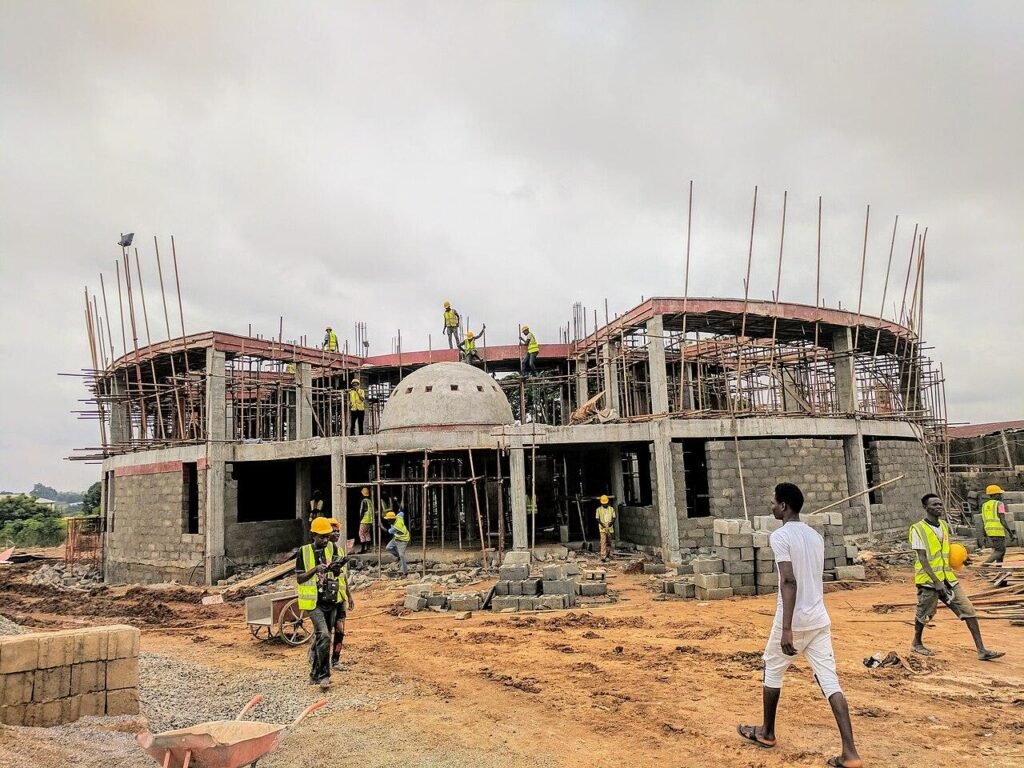
Building in Nigeria: 7 Important Things to Consider Before Starting a Construction Project
Starting a construction project is an important investment. Whether you are planning to build a family home, develop a commercial property, or undertake a larger infrastructure project, the decisions you make before construction begins can significantly influence the final outcome.
A successful building project requires more than a good design and the right construction materials. It involves careful planning, financial preparation, professional expertise, and consistent project management.
In Nigeria, where construction projects can face challenges involving land documentation, material costs, weather conditions, and project coordination, proper preparation is particularly important.
Here are seven important things to consider before starting your next construction project.
1. Have a Clear Project Plan
Before purchasing materials or engaging contractors, establish exactly what you want to achieve.
Consider the purpose of the building, the number of rooms or facilities required, the expected size, and the overall design. Think about your current needs as well as how those needs may change in the future.
A clear project plan provides direction and helps prevent unnecessary changes during construction.
It is also useful to work with qualified professionals who can help translate your ideas into practical architectural and engineering plans.
2. Confirm Your Land Documentation
Land ownership and documentation should be addressed before construction begins.
Make sure the property has been properly investigated and that the seller has the legal authority to transfer ownership. Depending on the property and location, relevant documentation may include a Certificate of Occupancy, registered deed of assignment, survey plan, and other applicable land records.
Do not rely solely on verbal assurances or documents supplied without independent verification.
Engaging a qualified property lawyer and conducting appropriate searches can help identify potential ownership disputes, restrictions, or other issues before they become expensive problems.
3. Establish a Realistic Budget
One of the most common challenges in construction is underestimating the total project cost.
Your budget should cover more than cement, blocks, roofing materials, and labour. It should also account for professional fees, approvals, site preparation, transportation, utilities, finishing, and other associated expenses.
It is wise to include a contingency allowance for unexpected costs.
A realistic budget helps you prioritise important work, manage available funds, and make better decisions when circumstances change.
4. Choose the Right Professionals
The people responsible for your project can have a major influence on its quality and delivery.
Depending on the nature of the project, you may need architects, structural engineers, quantity surveyors, contractors, project managers, and other qualified specialists.
Before engaging anyone, review their relevant qualifications, experience, previous projects, references, and ability to communicate clearly.
Avoid choosing a contractor based only on the lowest quotation. Consider the quality of their work, reliability, understanding of the project, and commitment to agreed standards.
5. Use Appropriate Construction Materials
The quality of materials used in a building affects its strength, durability, safety, and long-term maintenance requirements.
Materials should be selected according to the approved design, engineering specifications, intended use, and environmental conditions.
Where possible, purchase from reputable suppliers and ensure that materials meet the required standards.
Cutting corners with unsuitable materials may appear to reduce initial costs, but it can create more expensive problems later.
6. Understand Approvals and Regulatory Requirements
Construction projects must comply with applicable building regulations, planning requirements, and approval processes.
Before work begins, find out which permits and approvals are required for your particular project and location.
Requirements may differ between states, local planning authorities, and types of development.
Working with experienced professionals can help you understand the relevant procedures and avoid unnecessary delays, penalties, or complications.
7. Prioritise Project Management and Safety
Even a well-designed project can experience difficulties without proper supervision and coordination.
Effective project management helps monitor progress, manage costs, coordinate contractors, track materials, and address problems as they arise.
Safety should also remain a priority throughout construction. Workers should have appropriate protective equipment, and the site should be managed to reduce risks to workers, visitors, and surrounding communities.
Regular inspections and progress reviews help ensure that work remains aligned with the agreed plans and quality expectations.
Final Thoughts
A successful construction project begins long before the first block is laid. Proper planning, verified documentation, realistic budgeting, professional expertise, and effective supervision all contribute to better project outcomes.
Taking the time to prepare properly can help you avoid preventable setbacks and protect your investment.
At ARIC-ASCENSION, we believe that quality construction starts with informed decisions and a commitment to doing things right.