
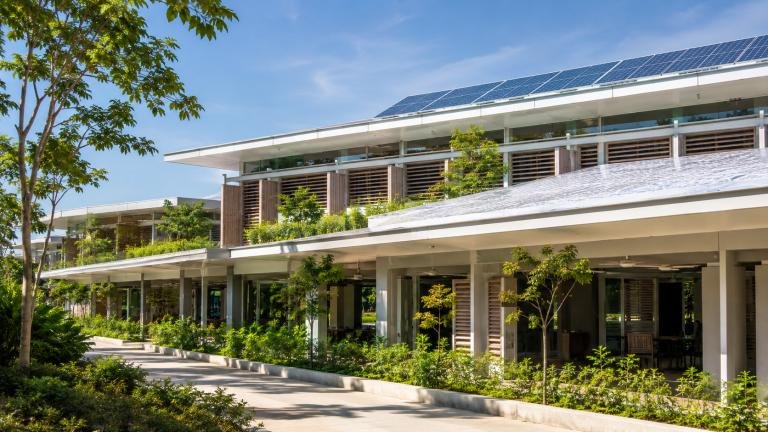
Sustainable Construction: Why Building for the Future Matters
Construction plays an important role in economic growth, urban development, and the creation of communities. As cities expand and demand for residential, commercial, and infrastructure projects increases, the way buildings are designed and constructed becomes increasingly important.
Today, the conversation is no longer limited to how quickly a building can be completed or how much it costs to construct. More attention is being given to how buildings perform over time, how efficiently they use resources, and how their development affects the surrounding environment.
This is where sustainable construction becomes important.
Sustainable construction focuses on creating buildings and infrastructure that meet present needs while considering their long-term environmental, social, and economic impact.
But what does this mean in practice, and why should developers, property owners, and construction professionals pay attention?
What Is Sustainable Construction?
Sustainable construction involves applying responsible practices throughout the planning, design, construction, operation, and maintenance of buildings and infrastructure.
It considers how materials are sourced, how energy and water are used, how construction waste is managed, and how developments interact with their surroundings.
The objective is not simply to construct environmentally friendly buildings. It is to create functional, durable, efficient, and comfortable spaces that deliver value over their entire lifespan.
1. Better Use of Construction Materials
The selection of building materials has a direct influence on construction quality, durability, and environmental impact.
Sustainable construction encourages the responsible selection and use of materials that are appropriate for the project.
This may involve choosing durable materials, reducing unnecessary waste, sourcing suitable materials locally where practical, and using products with better environmental performance.
Proper material planning can also reduce wastage, avoid unnecessary purchases, and improve the overall efficiency of construction activities.
The key is to balance quality, performance, availability, and long-term value rather than choosing materials based only on their initial cost.
2. Energy Efficiency Should Be a Priority
Buildings consume energy through lighting, cooling, heating, ventilation, appliances, and other daily activities.
A building designed with energy efficiency in mind can help reduce unnecessary energy consumption and improve the comfort of its occupants.
Some practical considerations include:
- Maximising natural lighting.
- Providing effective ventilation.
- Using appropriate insulation.
- Selecting energy-efficient lighting.
- Considering suitable building orientation.
- Incorporating efficient cooling systems.
- Exploring renewable energy options where practical.
These decisions are best considered during the design stage rather than left until after construction has been completed.
3. Water Management Matters
Water is an important resource, and responsible water management should be part of the planning process.
Buildings can be designed to reduce unnecessary water consumption through efficient plumbing fixtures, proper drainage systems, and suitable water management strategies.
Rainwater harvesting may also be considered where appropriate for the location and intended use of the building.
Effective drainage planning is particularly important in areas that experience heavy rainfall. Poor drainage can contribute to flooding, erosion, structural damage, and other environmental problems.
By considering water management early, developers can improve building performance and reduce avoidable maintenance challenges.
4. Reduce Construction Waste
Construction activities can generate significant quantities of waste, including concrete, timber, metal, packaging, and other materials.
Without proper planning, much of this waste may end up in unsuitable disposal locations.
A more responsible approach involves estimating material requirements accurately, managing storage, reducing unnecessary cutting and damage, and separating reusable or recyclable materials where facilities are available.
Good site management can help reduce waste while improving organisation, safety, and cost control.
5. Design for Durability and Long-Term Performance
A building should be designed to serve its intended purpose for many years.
Durability is an important part of sustainability because buildings that require frequent repairs or premature replacement can create additional financial and environmental costs.
This means paying attention to structural design, material quality, weather protection, drainage, ventilation, and appropriate maintenance planning.
A well-designed building should consider the environmental conditions of its location and the demands it will experience throughout its useful life.
6. Consider the People Who Will Use the Building
Sustainable development is not only about environmental protection. It also involves creating spaces that support the wellbeing and everyday needs of people.
Buildings should provide comfortable, safe, accessible, and functional environments.
Depending on the intended use, this may involve considering natural lighting, indoor air quality, accessibility, safe movement, adequate space, and the relationship between the development and its surrounding community.
Good design should improve the experience of the people who live, work, and interact within a building.
7. Think Beyond the Initial Construction Cost
One reason sustainable construction is sometimes overlooked is the assumption that responsible building practices always require significantly higher upfront spending.
While certain materials, systems, or design features may involve additional initial costs, it is important to consider the full life-cycle cost of a building.
For example, an energy-efficient lighting system may cost more initially but could reduce electricity consumption over time. Durable materials may also reduce the frequency of repairs and replacement.
The best decisions come from evaluating the initial investment alongside operating costs, maintenance requirements, expected lifespan, and overall building performance.
The Role of Developers and Construction Professionals
Achieving more sustainable development requires cooperation between developers, architects, engineers, contractors, consultants, suppliers, and property owners.
Each participant has a role to play in making responsible decisions.
Developers should consider long-term performance when planning projects. Architects and engineers should incorporate suitable design solutions. Contractors should manage resources responsibly and maintain appropriate site practices. Property owners should also understand the importance of proper operation and maintenance.
When these responsibilities are considered together, sustainable construction becomes part of the entire development process rather than an afterthought.
Final Thoughts
The future of construction will depend not only on what we build but also on how we build it.
Sustainable construction offers an opportunity to create developments that are more efficient, durable, comfortable, and responsible. It encourages better planning, improved resource management, and a stronger understanding of the long-term impact of development.
At ARIC-ASCENSION, we recognise the importance of building with purpose and considering the value our projects can create for future generations.
Our commitment to quality, innovation, and sustainability reflects our wider vision of transforming communities through responsible development.