Educative

Sustainable Construction: Why Building for the Future Matters

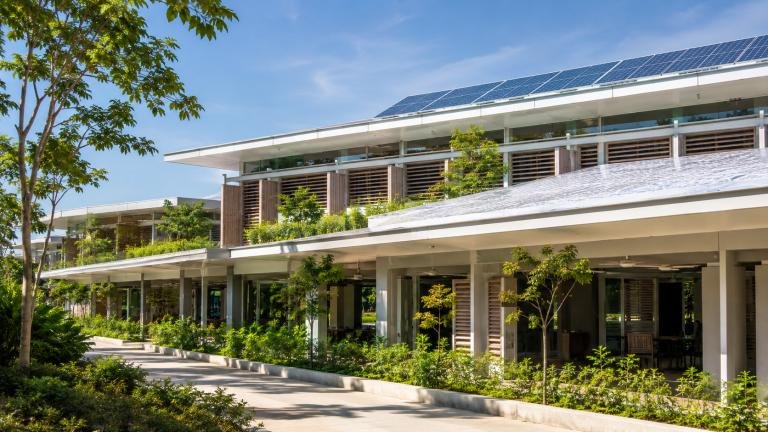
Sustainable Construction: Why Building for the Future Matters Construction plays an important role in economic growth, urban development, and the creation of communities. As cities expand and demand for residential, commercial, and infrastructure projects increases, the way buildings are designed and constructed becomes increasingly important. Today, the conversation is no longer limited to how quickly a building can be completed or how much it costs to construct. More attention is being given to how buildings perform over time, how efficiently they use resources, and how their development affects the surrounding environment. This is where sustainable construction becomes important. Sustainable construction focuses on creating buildings and infrastructure that meet present needs while considering their long-term environmental, social, and economic impact. But what does this mean in practice, and why should developers, property owners, and construction professionals pay attention? What Is Sustainable Construction? Sustainable construction involves applying responsible practices throughout the planning, design, construction, operation, and maintenance of buildings and infrastructure. It considers how materials are sourced, how energy and water are used, how construction waste is managed, and how developments interact with their surroundings. The objective is not simply to construct environmentally friendly buildings. It is to create functional, durable, efficient, and comfortable spaces that deliver value over their entire lifespan. 1. Better Use of Construction Materials The selection of building materials has a direct influence on construction quality, durability, and environmental impact. Sustainable construction encourages the responsible selection and use of materials that are appropriate for the project. This may involve choosing durable materials, reducing unnecessary waste, sourcing suitable materials locally where practical, and using products with better environmental performance. Proper material planning can also reduce wastage, avoid unnecessary purchases, and improve the overall efficiency of construction activities. The key is to balance quality, performance, availability, and long-term value rather than choosing materials based only on their initial cost. 2. Energy Efficiency Should Be a Priority Buildings consume energy through lighting, cooling, heating, ventilation, appliances, and other daily activities. A building designed with energy efficiency in mind can help reduce unnecessary energy consumption and improve the comfort of its occupants. Some practical considerations include: These decisions are best considered during the design stage rather than left until after construction has been completed. 3. Water Management Matters Water is an important resource, and responsible water management should be part of the planning process. Buildings can be designed to reduce unnecessary water consumption through efficient plumbing fixtures, proper drainage systems, and suitable water management strategies. Rainwater harvesting may also be considered where appropriate for the location and intended use of the building. Effective drainage planning is particularly important in areas that experience heavy rainfall. Poor drainage can contribute to flooding, erosion, structural damage, and other environmental problems. By considering water management early, developers can improve building performance and reduce avoidable maintenance challenges. 4. Reduce Construction Waste Construction activities can generate significant quantities of waste, including concrete, timber, metal, packaging, and other materials. Without proper planning, much of this waste may end up in unsuitable disposal locations. A more responsible approach involves estimating material requirements accurately, managing storage, reducing unnecessary cutting and damage, and separating reusable or recyclable materials where facilities are available. Good site management can help reduce waste while improving organisation, safety, and cost control. 5. Design for Durability and Long-Term Performance A building should be designed to serve its intended purpose for many years. Durability is an important part of sustainability because buildings that require frequent repairs or premature replacement can create additional financial and environmental costs. This means paying attention to structural design, material quality, weather protection, drainage, ventilation, and appropriate maintenance planning. A well-designed building should consider the environmental conditions of its location and the demands it will experience throughout its useful life. 6. Consider the People Who Will Use the Building Sustainable development is not only about environmental protection. It also involves creating spaces that support the wellbeing and everyday needs of people. Buildings should provide comfortable, safe, accessible, and functional environments. Depending on the intended use, this may involve considering natural lighting, indoor air quality, accessibility, safe movement, adequate space, and the relationship between the development and its surrounding community. Good design should improve the experience of the people who live, work, and interact within a building. 7. Think Beyond the Initial Construction Cost One reason sustainable construction is sometimes overlooked is the assumption that responsible building practices always require significantly higher upfront spending. While certain materials, systems, or design features may involve additional initial costs, it is important to consider the full life-cycle cost of a building. For example, an energy-efficient lighting system may cost more initially but could reduce electricity consumption over time. Durable materials may also reduce the frequency of repairs and replacement. The best decisions come from evaluating the initial investment alongside operating costs, maintenance requirements, expected lifespan, and overall building performance. The Role of Developers and Construction Professionals Achieving more sustainable development requires cooperation between developers, architects, engineers, contractors, consultants, suppliers, and property owners. Each participant has a role to play in making responsible decisions. Developers should consider long-term performance when planning projects. Architects and engineers should incorporate suitable design solutions. Contractors should manage resources responsibly and maintain appropriate site practices. Property owners should also understand the importance of proper operation and maintenance. When these responsibilities are considered together, sustainable construction becomes part of the entire development process rather than an afterthought. Final Thoughts The future of construction will depend not only on what we build but also on how we build it. Sustainable construction offers an opportunity to create developments that are more efficient, durable, comfortable, and responsible. It encourages better planning, improved resource management, and a stronger understanding of the long-term impact of development. At ARIC-ASCENSION, we recognise the importance of building with purpose and considering the value our projects can create for future generations. Our commitment to quality, innovation, and sustainability reflects our wider vision of transforming communities through responsible development.

Sustainable Construction: Why Building for the Future Matters Read More »
Buying Land in Nigeria: A Practical Guide to Making a Safer Property Investment

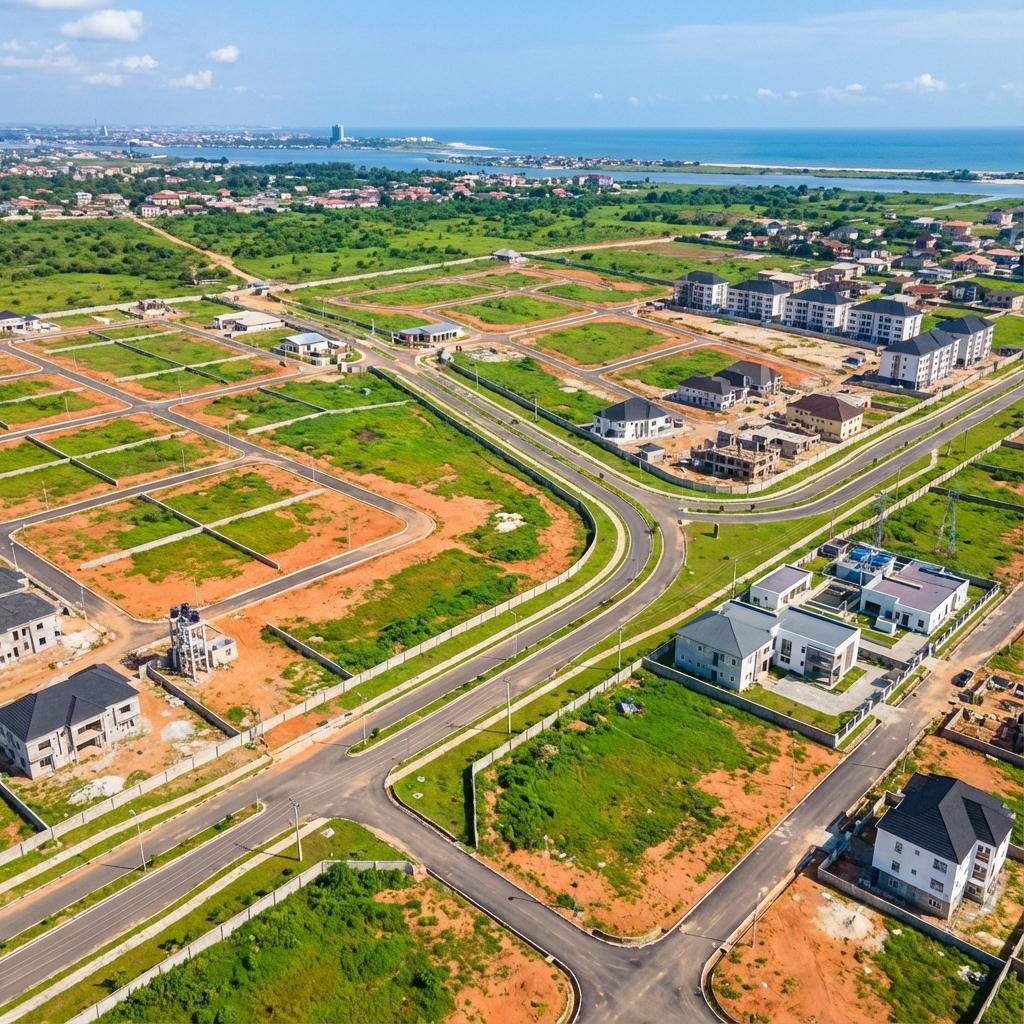
Buying Land in Nigeria: A Practical Guide to Making a Safer Property Investment Land ownership remains an important part of property investment in Nigeria. For many individuals, purchasing land represents an opportunity to build a home, establish a business, develop property, or secure an asset for the future. However, buying land is a decision that requires careful investigation. A property may look attractive, have a reasonable asking price, and appear to offer excellent investment potential, but these factors do not automatically mean the transaction is safe. Before committing your money, it is important to understand the documentation, legal considerations, location, and development potential of the property. Here is a practical guide to help you approach land acquisition more confidently. 1. Understand Why You Are Buying the Land Start by identifying your purpose. Are you purchasing land to build a residential property? Do you intend to develop commercial premises? Are you buying for agricultural use or long-term investment? Your intended purpose should influence the type of land you consider. For example, a location suitable for residential development may not necessarily be appropriate for industrial or commercial use. Having a clear objective helps you narrow your options and avoid purchasing property that does not meet your actual requirements. 2. Investigate the Location Location is one of the most important considerations in property investment. Look beyond the current appearance of the area and consider its accessibility, surrounding developments, infrastructure, security, and available services. You should also consider: Visit the property physically rather than relying entirely on photographs or descriptions. Where possible, visit at different times of the day to gain a better understanding of the environment. 3. Verify the Ownership and Land Documents This is one of the most important stages of buying land in Nigeria. Before making payment, establish who legally owns the property and whether the seller has the authority to transfer the interest being offered. Depending on the transaction, relevant documents may include: The presence of a document does not automatically guarantee that the transaction is legitimate. Engage a qualified property lawyer to conduct independent searches with the appropriate land registry and relevant authorities. A registered surveyor may also be required to verify the property’s boundaries and location. 4. Check for Disputes and Government Restrictions Some properties may be affected by ownership disputes, family disagreements, court cases, government acquisition, or restrictions on development. These issues can create serious complications for buyers. Do not assume that land is free from disputes simply because the seller has physical possession or someone has previously built on the property. Conduct the necessary legal and survey investigations before proceeding. It is also important to establish whether the proposed use of the property is consistent with the applicable planning and land-use requirements. 5. Understand the Total Cost of Acquisition The purchase price is not necessarily the full cost of acquiring land. Depending on the transaction, you may also need to budget for: Ask for a clear breakdown of the expected costs before making a financial commitment. Understanding the complete financial requirement helps you avoid unexpected expenses during the acquisition process. 6. Evaluate the Development Potential A property may be attractive today, but you should also consider its potential for future use. Think about the surrounding infrastructure, accessibility, development trends, and the suitability of the land for your intended project. For example, a plot intended for residential development should be assessed for its suitability, access, drainage, planning restrictions, and available utilities. Avoid making investment decisions based entirely on promises of rapid appreciation or guaranteed returns. Property investment requires research, patience, and realistic expectations. 7. Keep Proper Records of the Transaction Once the transaction has been completed, ensure that all relevant documents are properly prepared, signed, and retained. Keep copies of payment evidence, agreements, receipts, survey documents, title documents, and other correspondence relating to the purchase. Where required, complete the appropriate registration and consent processes. Proper documentation helps protect your interests and provides an important record for future transactions, development, or resale. Common Mistakes to Avoid When Buying Land Some buyers make costly mistakes because they rush into transactions without conducting proper checks. Avoid the following: A little more investigation at the beginning can help prevent significant difficulties later. Final Thoughts Buying land can be a meaningful step towards property ownership and long-term investment. However, a successful acquisition depends on more than finding an attractive location or negotiating a good price. It requires proper documentation, independent verification, realistic financial planning, and a clear understanding of the property’s intended use. At ARIC-ASCENSION, our Properties division recognises the importance of informed property decisions. We believe that every property opportunity should be approached with careful consideration, responsible planning, and a focus on lasting value.

Buying Land in Nigeria: A Practical Guide to Making a Safer Property Investment Read More »

Building in Nigeria: 7 Important Things to Consider Before Starting a Construction Project

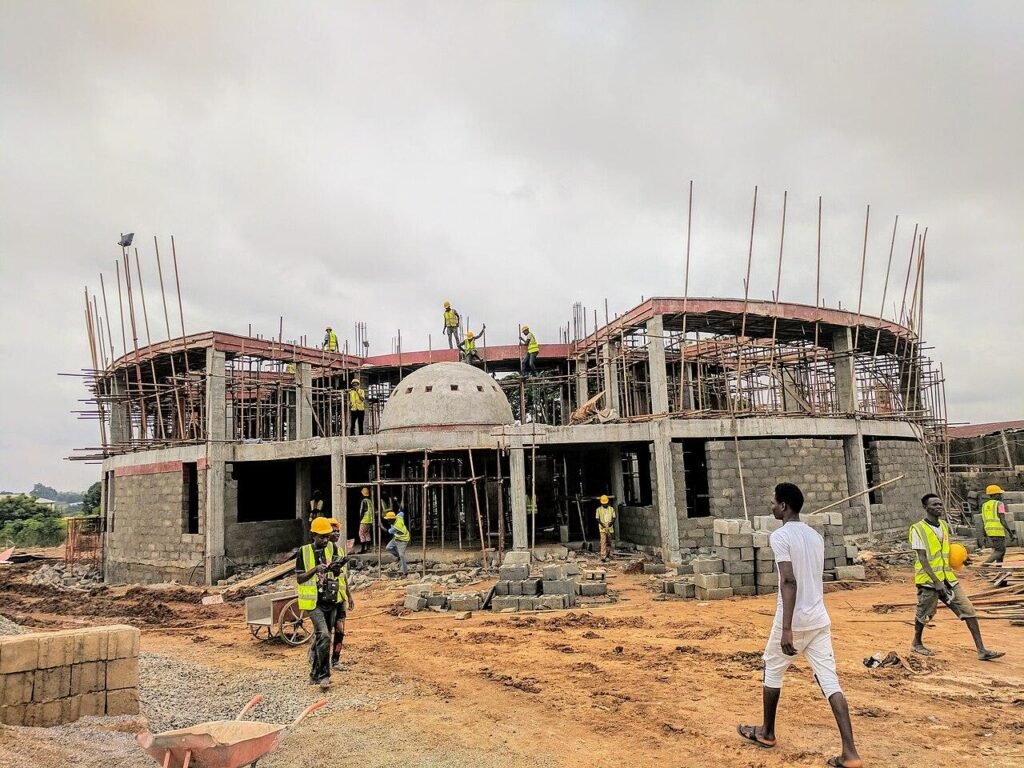
Building in Nigeria: 7 Important Things to Consider Before Starting a Construction Project Starting a construction project is an important investment. Whether you are planning to build a family home, develop a commercial property, or undertake a larger infrastructure project, the decisions you make before construction begins can significantly influence the final outcome. A successful building project requires more than a good design and the right construction materials. It involves careful planning, financial preparation, professional expertise, and consistent project management. In Nigeria, where construction projects can face challenges involving land documentation, material costs, weather conditions, and project coordination, proper preparation is particularly important. Here are seven important things to consider before starting your next construction project. 1. Have a Clear Project Plan Before purchasing materials or engaging contractors, establish exactly what you want to achieve. Consider the purpose of the building, the number of rooms or facilities required, the expected size, and the overall design. Think about your current needs as well as how those needs may change in the future. A clear project plan provides direction and helps prevent unnecessary changes during construction. It is also useful to work with qualified professionals who can help translate your ideas into practical architectural and engineering plans. 2. Confirm Your Land Documentation Land ownership and documentation should be addressed before construction begins. Make sure the property has been properly investigated and that the seller has the legal authority to transfer ownership. Depending on the property and location, relevant documentation may include a Certificate of Occupancy, registered deed of assignment, survey plan, and other applicable land records. Do not rely solely on verbal assurances or documents supplied without independent verification. Engaging a qualified property lawyer and conducting appropriate searches can help identify potential ownership disputes, restrictions, or other issues before they become expensive problems. 3. Establish a Realistic Budget One of the most common challenges in construction is underestimating the total project cost. Your budget should cover more than cement, blocks, roofing materials, and labour. It should also account for professional fees, approvals, site preparation, transportation, utilities, finishing, and other associated expenses. It is wise to include a contingency allowance for unexpected costs. A realistic budget helps you prioritise important work, manage available funds, and make better decisions when circumstances change. 4. Choose the Right Professionals The people responsible for your project can have a major influence on its quality and delivery. Depending on the nature of the project, you may need architects, structural engineers, quantity surveyors, contractors, project managers, and other qualified specialists. Before engaging anyone, review their relevant qualifications, experience, previous projects, references, and ability to communicate clearly. Avoid choosing a contractor based only on the lowest quotation. Consider the quality of their work, reliability, understanding of the project, and commitment to agreed standards. 5. Use Appropriate Construction Materials The quality of materials used in a building affects its strength, durability, safety, and long-term maintenance requirements. Materials should be selected according to the approved design, engineering specifications, intended use, and environmental conditions. Where possible, purchase from reputable suppliers and ensure that materials meet the required standards. Cutting corners with unsuitable materials may appear to reduce initial costs, but it can create more expensive problems later. 6. Understand Approvals and Regulatory Requirements Construction projects must comply with applicable building regulations, planning requirements, and approval processes. Before work begins, find out which permits and approvals are required for your particular project and location. Requirements may differ between states, local planning authorities, and types of development. Working with experienced professionals can help you understand the relevant procedures and avoid unnecessary delays, penalties, or complications. 7. Prioritise Project Management and Safety Even a well-designed project can experience difficulties without proper supervision and coordination. Effective project management helps monitor progress, manage costs, coordinate contractors, track materials, and address problems as they arise. Safety should also remain a priority throughout construction. Workers should have appropriate protective equipment, and the site should be managed to reduce risks to workers, visitors, and surrounding communities. Regular inspections and progress reviews help ensure that work remains aligned with the agreed plans and quality expectations. Final Thoughts A successful construction project begins long before the first block is laid. Proper planning, verified documentation, realistic budgeting, professional expertise, and effective supervision all contribute to better project outcomes. Taking the time to prepare properly can help you avoid preventable setbacks and protect your investment. At ARIC-ASCENSION, we believe that quality construction starts with informed decisions and a commitment to doing things right.

Building in Nigeria: 7 Important Things to Consider Before Starting a Construction Project Read More »